
The textile industry in Eastern India has seen rapid growth over the last decade, and at the center of this expansion is the rising demand for high-quality polyester yarn. From garment manufacturing and home textiles to industrial fabrics and export units, polyester yarn plays a crucial role in modern textile production. If you are searching for reliable polyester yarn manufacturers in Kolkata, one name that consistently stands out is Zigma Corporation Pvt Ltd.
With a strong presence in the textile manufacturing sector, Zigma Corporation Pvt Ltd has built a reputation for delivering consistent quality, advanced production standards, and dependable supply solutions.
Polyester yarn is one of the most widely used synthetic yarns in the textile industry. Its popularity comes from its:
- High tensile strength
- Excellent durability
- Wrinkle resistance
- Moisture resistance
- Cost-effectiveness
- Versatility across multiple textile applications
Manufacturers prefer polyester yarn because it maintains fabric shape, offers color retention, and provides long-lasting performance. Whether it is used in apparel, upholstery, knitting, weaving, or industrial textiles, polyester yarn remains a core material for modern textile production.
In a competitive market like Kolkata, businesses require a manufacturer that ensures both quality and timely delivery. That’s where Zigma Corporation Pvt Ltd plays a critical role.
Zigma Corporation Pvt Ltd is recognized among leading polyester yarn manufacturers in Kolkata due to its commitment to quality control, advanced manufacturing processes, and customer-centric approach.
What Sets Zigma Apart?
1. Consistent Quality Standards
Quality consistency is essential in yarn manufacturing. Even slight variations can affect weaving efficiency, dyeing results, and final fabric finish. Zigma ensures that every batch of polyester yarn meets strict quality parameters, maintaining uniform strength, twist, and texture.
This consistency helps garment manufacturers, fabric mills, and textile exporters reduce production defects and improve final output quality.
2. Advanced Manufacturing Infrastructure
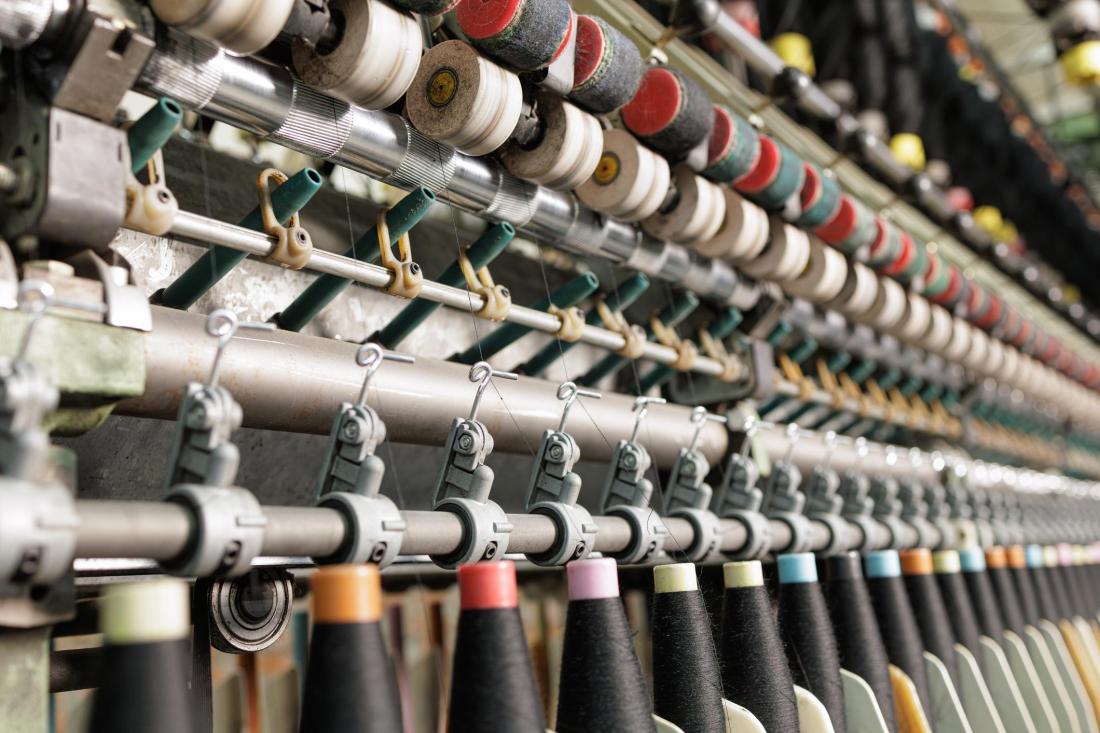
Modern yarn production demands precision machinery and controlled processes. Zigma Corporation Pvt Ltd utilizes advanced equipment and streamlined production systems to ensure:
- Uniform yarn thickness
- Smooth winding
- Reduced breakage rates
- Enhanced productivity
This level of infrastructure enables the company to meet bulk industrial demands efficiently.
3. Wide Industry Applications
Polyester yarn manufactured by Zigma is suitable for various sectors, including:
- Garment manufacturing
- Knitting and weaving units
- Home furnishing production
- Industrial textile applications
- Blended fabric production
Its adaptability makes it a preferred choice for businesses looking for reliable polyester yarn manufacturers in Kolkata.
4. Timely Delivery & Reliable Supply Chain
In the textile industry, delays can lead to missed production targets and financial losses. Zigma Corporation Pvt Ltd understands the importance of timelines and maintains a structured supply chain system to ensure on-time delivery.
Whether you are a small manufacturing unit or a large textile exporter, dependable supply is essential—and Zigma delivers exactly that.
Why Kolkata Is Emerging as a Textile Hub
Kolkata has historically been a major textile and trade center in Eastern India. With improving infrastructure, growing garment clusters, and rising export opportunities, the demand for polyester yarn manufacturers in Kolkata has increased significantly.
Businesses prefer sourcing locally because it offers:
- Reduced transportation costs
- Faster procurement cycles
- Better communication with manufacturers
- Stronger long-term partnerships
Zigma Corporation Pvt Ltd plays a key role in strengthening Kolkata’s position in the polyester yarn manufacturing sector.
Commitment to Customer Satisfaction
Beyond manufacturing, Zigma focuses on building long-term relationships with its clients. The company believes in understanding specific business requirements and providing suitable yarn solutions accordingly.
From quality assurance to technical guidance and bulk order management, Zigma ensures a smooth experience for its customers.
Choosing the Zigma for Right Polyester Yarn Manufacturer
When selecting a polyester yarn manufacturer in Kolkata, businesses should consider:
- Product quality consistency
- Manufacturing capacity
- Infrastructure strength
- Delivery timelines
- Industry reputation
- Customer support
Zigma Corporation Pvt Ltd checks all these boxes, making it a reliable partner for textile businesses across Kolkata and beyond.
Wrapping Up
The demand for polyester yarn continues to rise as textile production expands across India. For businesses looking for trusted polyester yarn manufacturers in Kolkata, Zigma Corporation Pvt Ltd offers the perfect combination of quality, reliability, and professional service.
With advanced production systems, strict quality control, and a customer-first approach, Zigma stands as a strong pillar in the region’s textile manufacturing landscape.
For inquiries, bulk orders, or business partnerships:
Call: 033 3508 4586
Visit: https://www.zigma.co.in/

 Zigma Fashion PVT LTD